Tag: Material Selection

  • CCUS Well Design: What the Experts Are Getting Asked Right Now

    CCUS Well Design: What the Experts Are Getting Asked Right Now

    Carbon capture is no longer a concept under debate. Projects are moving, permits are being filed, and the questions engineers and procurement teams are working through have gotten specific fast. The material selection decisions being made now will determine well integrity for decades.

    The following draws from a panel discussion hosted by World Oil — “CCUS: Best Practices for Well Construction and Design” — featuring Dan Morrell, Tommy Najar of Corrosion Resistant Alloys (CRA), and Lindsay Longman of Gulf Coast CO2 Engineering. The questions came directly from the industry. These are the answers.

    CCUS FAQS

    Carbon sequestration is the capture and long-term storage of atmospheric CO2, typically underground in geological formations. In the oilfield context, that means injecting CO2 into a reservoir and keeping it there. The well design, material selection, and monitoring program all follow from that single requirement: it has to stay down.

    It has to enter the reservoir in a liquid supercritical state. In some cases it starts as a gas at the wellhead and transitions downhole, so the injection string needs to be designed around that phase change. This isn’t just a fluid dynamics question. It affects temperature, pressure, and corrosion risk all the way down the string.

    It’s the primary concern in every CCS permitting process. Regulations are specifically structured around identifying and understanding potential leakage pathways before a permit is issued. This is one reason well integrity, from tubular selection to cement design, carries more regulatory weight in CCUS than in conventional injection applications.

    A typical sequestration well is designed for roughly 20 years of injection, followed by 30 years of monitoring. That’s a 50-year commitment on the tubulars and completion equipment. If monitoring data supports it, regulators can allow permit transfer earlier, but you’re selecting materials for a multi-decade service life from day one.

    Yes and no. Pure CO2 isn’t the issue. The problem is water. Once CO2 combines with water, you get carbonic acid, and the corrosion risk becomes real. Purifying the CO2 stream before injection is technically possible, but the economics depend heavily on the source and what’s generating the contamination in the first place.

    There’s also a reservoir compatibility piece. You can’t just strip impurities and call it solved if the resulting stream still reacts with formation fluids. The whole system has to be considered together.

    The threshold is phase-based, not a fixed PPM number. As long as water stays in the vapor phase within the CO2 stream, you’re operating dry. Corrosion starts when water drops out and forms a liquid phase. The actual ppm level where that happens depends on pressure and temperature conditions, which is why every well needs its own analysis rather than a one-size cutoff.

    Yes, and it’s an area where the standards are actively evolving alongside the projects themselves.

    AMPP Guide 21532, published in June 2023, was the first dedicated framework for materials selection and corrosion control for CO2 transport and injection. It remains a useful reference, but the more significant development is AMPP SP21632, published in July 2025. This is a full standard practice, not just a guideline. It sets requirements and recommendations for materials selection and corrosion control across the full CCS project chain, from CO2 processing and compression through transport and injection, with a focus on ensuring long-term integrity through an acceptable CO2 specification and defined failure mode controls.

    SP21632 is the first in a growing suite. Additional documents currently in development include SP21632-2 (CO2 specification definition and control), SP21632-3 (materials selection and testing for CO2 injection in wells), and SP21632-4 (materials selection and corrosion control for CO2 transport). A separate corrosion testing document, AMPP Guide 21577, covering laboratory corrosion testing for CO2 transport and injection, is also in development, with cracking testing to be incorporated into SP21632-3.

    Once the full suite is published, AMPP Guide 21532 will be superseded. For now, both documents are applicable. Teams selecting materials for CCUS service today should be working from the most current published guidance and keeping a close eye on what’s still in development.

    Cost, primarily. Treating the CO2 stream upstream can reduce the corrosivity of what goes down the well, but treatment infrastructure has its own capital and operational cost. Higher-alloy tubulars cost more upfront but eliminate ongoing treatment dependency. Most decisions land somewhere in between, with partial treatment and a material selection that accounts for residual impurity levels.
    The reservoir compatibility issue applies here too. You still need the injection stream to be compatible with formation conditions regardless of how you approach surface treatment.

    Internally coated tubing can work above the packer. Below the packer, and including the packer itself, the corrosion exposure is more severe, and that’s where CRA material selection becomes the more reliable integrity approach. Coatings have been discussed in the industry, but track record matters. CRA teams have supported saltwater disposal, saltwater injection, EOR, and CCS projects across a range of conditions, and the consensus is that coatings below the packer carry more risk than they’re worth on long-life sequestration wells.

    Stress is a real variable and has to be factored into any complete corrosion analysis. Stress corrosion cracking is a known failure mode in CRA tubulars under certain conditions. Non-metallic solutions can be viable for some applications, but they come with their own load limitations and need to be evaluated against the full well design.

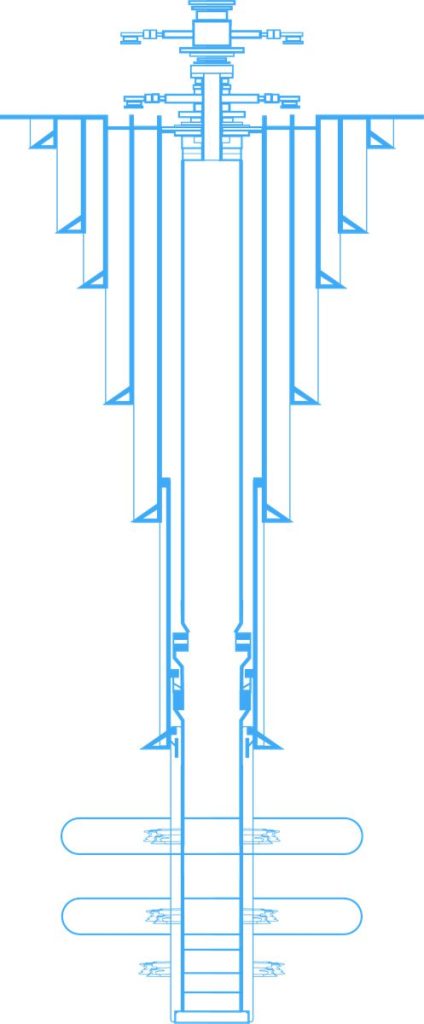
    Cemented casing with perfs is the more common design in existing CCS wells. Barefoot completions don’t provide the same level of control over CO2 migration, and the regulatory environment increasingly favors designs with clear zonal isolation. The trade-off is cost and complexity, but most operators working in a serious CCS regulatory framework end up at cemented casing.

    Yes, routinely. Surface casing typically requires cement to surface, and production casing often follows the same requirement under CCS permitting. Stage cementing helps ensure full coverage in long casing strings where a single-stage job might not reach.

    The packer fluid must be a CO2-buffered brine, weighted to maintain pressure balance with the wellbore. The EPA has specific requirements on this and they’re not optional. It’s part of what gets reviewed in the permitting process. Getting the packer fluid design right matters for both regulatory compliance and long-term well integrity.

    Corrosion in the tubulars is the most frequent issue seen in existing projects. Annular pressure build-up comes up as well. Most failures trace back to either an underestimation of water presence in the CO2 stream, or material selection that wasn’t adequately matched to the actual injection conditions. That’s exactly why the upfront analysis is worth doing carefully.

    EPA regulations cap well pressure at 90% of formation fracture pressure. Some states, California included, apply stricter limits. The tubular design has to account for the full pressure range, not just operational steady-state, but the transient conditions that can occur during startup, shut-in, and maintenance cycles.

    Deep monitoring wells typically require perforation in the injection zone for fluid sampling, in addition to temperature and pressure monitoring. There are also requirements for Above Confining Zone monitoring wells and USDW (Underground Sources of Drinking Water) monitoring. The monitoring program is part of the permit, not an afterthought.

    This is one of the more complicated liability questions in CCS project development. Any legacy wells within the Area of Review are subject to the CO2 pressure plume from injection. As the CCS permit holder, you’re responsible for them, including remediating them to be suitable for CO2 exposure if they’re not already.

    That can be expensive. In some cases, depending on the age and condition of those wells, it becomes a project-level decision about whether the sequestration site is economically viable. It’s worth doing the legacy well inventory early, before the permit is far along.

    Start with the current P&A status and confirm you have directional surveys showing where those wellbores actually go. Identify what the original casing and cement design was, whether the cement is still competent, and whether the wellbore materials are compatible with CO2 exposure. The dominant factors are cement integrity, casing condition, and proximity to the CO2 plume.

    No. Abandoned wells within the Area of Review become the primary responsibility of the CCS permit holder. If the state plugged them, there may be some recourse or shared liability depending on jurisdiction, but in general, the permit holder inherits the risk. This is another reason a thorough AOR assessment before permitting is not optional.

    For typical CCS operations, cycles due to quarterly or annual maintenance shouldn’t significantly change the material selection decision. Where cyclic injection becomes a real concern is in more aggressive cycling regimes. In those cases, 25CR duplex alloys need closer evaluation. They can be appropriate for continuous injection but require more scrutiny under true cyclic conditions. The recommendation is to discuss the specific injection schedule with a materials engineer before finalizing selection.

    The Bottom Line for Procurement and Engineering Teams

    CCUS well design is a discipline that’s still being built in real time. Standards are developing, regulators are learning alongside operators, and material selection decisions are being made with limited precedent compared to conventional oilfield work. That’s exactly the kind of market condition where having access to current supply, verified specs, and direct relationships with qualified suppliers matters more than it does in a mature commodity market.

    PipeSearch connects buyers and suppliers across the CRA and specialty tubular market, with real-time visibility into availability, specs, and the conversations shaping procurement decisions right now. Still have questions? Speak to an expert on our team.


    Content developed in partnership with Corrosion Resistant Alloys (CRA), a leading manufacturer of corrosion resistant alloy tubulars for oil and gas, CCUS, and industrial applications.

  • Duplex Stainless Steels: What Makes Them Different?

    Duplex Stainless Steels: What Makes Them Different?

    Properties, Grades, and Applications in Corrosive Environments

    What Are Duplex Stainless Steels?

    Duplex Stainless Steels are a family of high-performance, corrosion-resistant alloys with a unique dual phase microstructure, consisting of approximately 50% ferrite and 50% austenite. This balanced structure delivers a unique combination of high strength, improved toughness, and superior resistance to stress corrosion cracking compared to conventional stainless steels.

    These alloys typically contain 21% to 33% chromium, providing excellent resistance in oxidizing environments. Molybdenum and nitrogen are added to significantly enhance resistance to localized corrosion, including pitting and crevice corrosion. Nickel, typically ranging from 1% to 9%, is used to stabilize and maintain the desired duplex microstructure.

    Duplex Stainless Steel Grades and Classification

    Duplex stainless steels are classified based on alloy composition and corrosion resistance:

    • Lean Duplex
    • Standard Duplex (22% Cr) – e.g., UNS S31803 / (2205)
    • 25% Chromium Duplex – e.g., UNS S31260 / (2507)
    • Super Duplex – e.g., UNS S32750 / S32760 / S39274
    • Hyper Duplex

    For demanding applications such as oil and gas production, carbon capture and sequestration (CCUS), and saltwater disposal, the most commonly specified materials include Standard Duplex (22% Cr), 25% Cr Duplex, and Super Duplex.

    Super Duplex stainless steels are differentiated by their superior resistance to localized corrosion, quantified using the Pitting Resistance Equivalent Number (PREN).

    PREN=%Cr+3.3×%Mo+16×%N

    A PREN value above 40 indicates high resistance to pitting corrosion, making Super Duplex alloys ideal for aggressive chloride-rich and subsea environments.

    Duplex Stainless Steel Pipe: Mechanical Properties and Supply Conditions

    Duplex stainless steel pipe is typically supplied in either the annealed or cold-worked (cold-hardened) condition.

    Annealed Condition

    • Yield strength typically exceeding 75 ksi
    • Excellent ductility and toughness
    • Ideal for fabrication, cold forming, and welding

    Cold-Worked (Cold-Hardened) Condition

    • Yield strength exceeding 140 ksi
    • Enhanced mechanical strength for high-pressure applications
    • Common in OCTG and downhole environments

    This combination of strength and corrosion resistance allows duplex stainless steels to outperform traditional austenitic grades in demanding service conditions.

    Applications of Duplex Stainless Steel Pipe

    Duplex stainless steel pipe is widely used across industries where both strength and corrosion resistance are critical:

    • Oil and gas production (upstream and midstream)
    • Carbon Capture and Sequestration (CCS / CCUS)
    • Geothermal wells
    • Offshore applications
    • Marine and underwater environments
    • Chemical processing
    • Pulp and paper production
    • Desalination and salt evaporation systems
    • Heat exchangers
    • Valves and pumps

    Material Selection Considerations for Duplex Stainless Steels

    The proper selection of Duplex Stainless Steel pipe depends firstly on the range of environments anticipated in service. Consideration must be given not only to the expected steady state operating conditions, but also to what may occur in the event of interruptions in operation and the potential for unplanned events. There are many factors that contribute to the corrosive nature of the environment. As environmental severity increases, higher alloy content (and cost) may be required to mitigate corrosion risks and prevent premature failure. Engaging a corrosion engineer or metallurgist is strongly recommended to ensure proper material selection based on application-specific conditions.

    Why Source Duplex Stainless Steel Through PipeSearch?

    PipeSearch is a digital trading platform designed to simplify the sourcing of premium OCTG and corrosion-resistant alloys, including duplex and super duplex stainless steels. PipeSearch enables users to access a global inventory of quality-verified OCTG with reduced lead times.

    Our proprietary 220-point inspection and quality rating process provides transparency and confidence, allowing buyers to move quickly while ensuring materials meet performance requirements. Browse our global warehouse or contact us today, and our trusted network will help you find the pipe you need.

  • The Future of Geothermal Energy

    The Future of Geothermal Energy

    Geothermal energy, much like hydropower and solar power, harnesses a natural, renewable resource—the Earth’s heat—to generate power. With the demand for sustainable energy solutions growing, advancements in geothermal energy technologies pave the way for a cleaner, more efficient future. Among these advancements are improvements in geothermal casing and geothermal pipe materials, which are pivotal for the longevity and efficiency of energy production systems.

    WHAT IS GEOTHERMAL ENERGY?

    Geothermal energy is the thermal energy found inside the Earth. This heat is generated by the decay of radioactive particles deep underground, leading to rising temperatures. By tapping into this geothermal heat, we can produce carbon-free power that is both renewable and reliable.

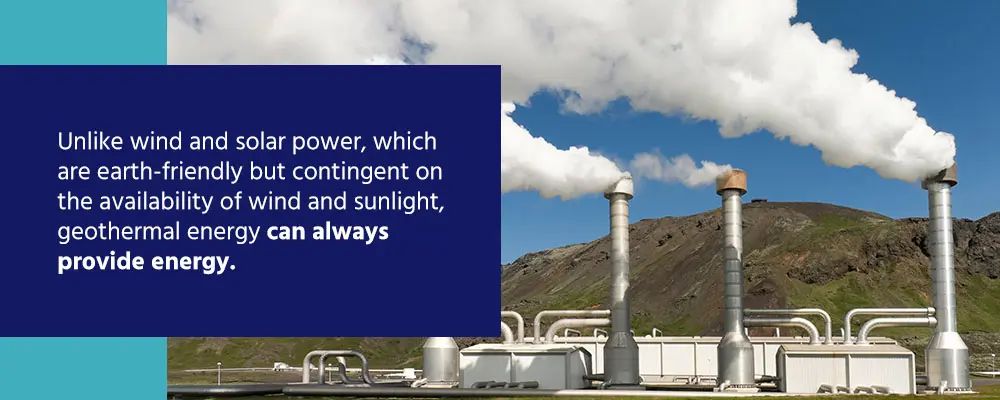
    Geothermal energy offers substantial benefits over fossil fuels. While traditional power sources fluctuate based on weather conditions like sunlight and wind, geothermal systems provide stable energy through hot water and steam. This consistency, paired with geothermal casing and corrosion-resistant pipe solutions, ensures continuous energy production with minimal interruptions.

    To harness geothermal energy, wells are drilled one mile or more below the Earth’s surface to access temperatures exceeding 200 degrees Celsius. These wells extract hot water or steam to power turbines, turning thermal energy into electricity. The durability of Nickel OCTG (Oil Country Tubular Goods) and surplus OCTG materials is critical in maintaining these systems under harsh subsurface conditions.

    HOW DO GEOTHERMAL WELLS GENERATE POWER?

    Geothermal energy extraction is most common in regions of the globe with hydrothermal reservoirs. However, even areas without these natural resources can utilize hot, dry rocks through enhanced geothermal systems (EGS), by adding water to generate electricity-producing steam.

    Deep geothermal wells access these high-temperature rocks or water reservoirs to produce power. Many systems include injection wells to reintegrate used fluids into the subsurface, allowing them to reheat and enabling a continuous loop. This process is supported by durable geothermal pipes and corrosion-resistant pipe systems designed to withstand challenging environmental conditions.

    This loop concept exists in two forms — open and closed loop geothermal energy wells.

    Open Loop

    Open loop geothermal systems use direct sources of hot well water to create the steam that powers generators. Water or steam comes up through the pumps and is then pumped back down to its source to be reused.

    The two open loop geothermal energy solutions are:

    • Dry steam: Directly channels geothermal steam into turbines.
    • Flash steam: Hot water from reservoirs is rapidly depressurized in flash tanks, creating steam to power turbines.

    Closed Loop

    Instead of directly utilizing water or steam, closed-loop systems circulate a set amount of working fluid near a geothermal well. Heat exchangers transfer the thermal energy to the working fluid, which vaporizes and powers turbines. Binary steam power plants are a prime example of this system. These processes rely on geothermal casing and corrosion-resistant materials to ensure the longevity of their infrastructure, especially in environments with high CO2 corrosion challenges.

    The Role of Geothermal Energy in the Global Energy Transition

    As industries target sustainable energy solutions, geothermal energy is emerging as a critical resource. Its ability to produce constant, reliable energy complements intermittent renewable sources like solar and wind. Geothermal systems, supported by innovations in Nickel OCTG tubing and advanced geothermal pipe technology, are leading this clean energy movement.

    The global interest in geothermal energy is evident in the growing number of drilled geothermal wells. Between 2015 and 2020, an average of 180 geothermal wells were drilled annually, a number expected to rise to 500 by 2025. By 2020, geothermal production contributed over 14,000 megawatts of electrical power, and this capacity will only continue to grow in the years ahead.

    Overcoming Geothermal Energy Challenges

    While geothermal systems are promising, they face specific challenges that must be addressed to optimize performance and scalability:

    Friction Caused by Corrosion

    Geothermal wells often encounter extreme conditions that lead to corrosion. High levels of CO2 in reservoir fluids can form carbonic acid, which corrodes steel pipes. Hydrogen sulfide further exacerbates this corrosion, making geothermal pipe integrity a critical concern. Damaged pipes reduce efficiency and increase operational costs. Operators are now utilizing geothermal casing and corrosion-resistant pipe solutions, including Nickel OCTG materials, to mitigate these issues effectively.

    Reduced Longevity OF WELLS

    The continuous use of geothermal wells can accelerate wear and tear, threatening their longevity. Materials specifically designed to combat corrosion, such as nickel-based tubular components, enhance well durability and ensure prolonged energy production.

    Slow Material Procurement Times

    Obtaining specialized materials, such as corrosion-resistant geothermal pipes or surplus OCTG, can take months through traditional supply chains, causing delays in project timelines. Corrosion Resistant Alloys solves this issue with a Just-In-Time manufacturing approach. They produce high-quality corrosion-resistant tubulars, including Nickel OCTG, within as little as one week, helping operators meet tight deadlines without compromising on quality or safety.

    The Opportunity for Geothermal Energy

    Geothermal energy, with its dependable power output and eco-friendly benefits, is poised to play a central role in global energy sustainability. Innovations in geothermal casing, surplus OCTG, and advanced corrosion-resistant pipe technology are helping overcome traditional challenges, ensuring safe and efficient energy production for years to come.

    At PipeSearch, we’re committed to providing top-tier solutions that match the demands of the geothermal industry. By focusing on durability and timely delivery, we empower operators to meet their energy goals while maintaining high standards of safety and efficiency. Whether you’re looking for steam-resistant geothermal pipe or state-of-the-art Nickel OCTG options, we’re here to help you build a sustainable energy future.

    Contact us today to learn more about how our products can enhance your geothermal projects.

    *While every effort has been made to ensure the accuracy of the above review, assessment, conclusions, and report, the appropriateness of their application and their interpretation remain the sole responsibility of the user.

  • Offshore Waterfloods

    Offshore Waterfloods

    And the importance of PREN

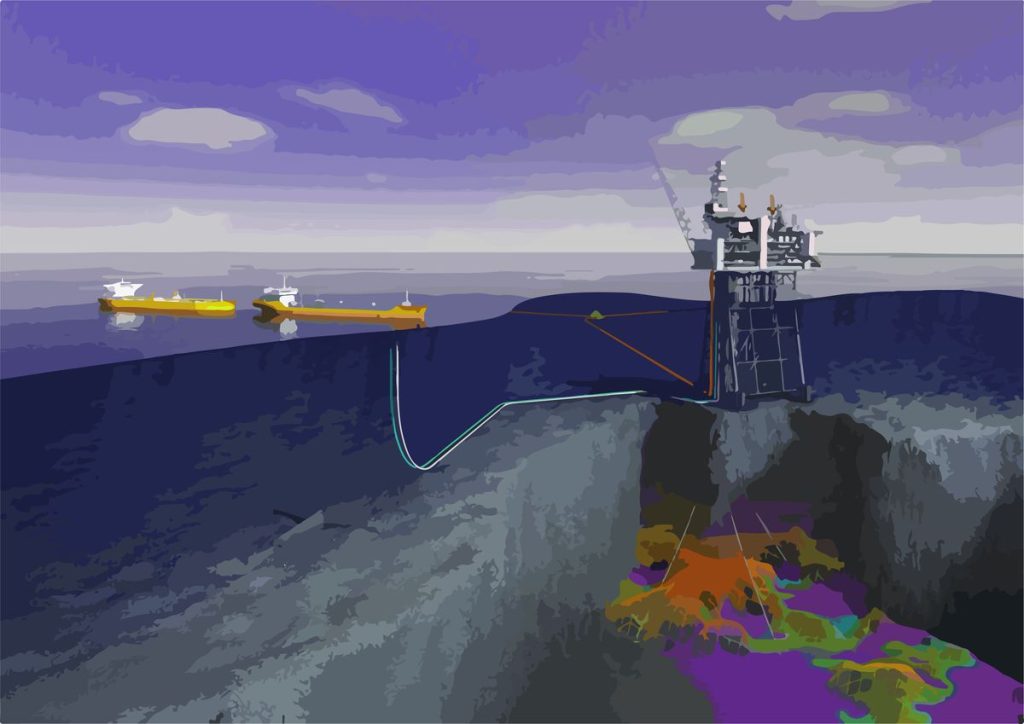
    Waterflood injection wells are critical in maintaining reservoir pressure and optimizing oil recovery. This is especially important in deepwater environments, where the design of wells and facilities must minimize the risk of corrosion-related failures. A failure in an injection well can significantly impact production rates and increase Lease Operating Expenses (LOE).

    One essential consideration in tubular design for waterflood injection is the Pitting Resistance Equivalent Number (PREN). PREN is a measurement used to compare the resistance of various alloys to localized corrosion, based on their chemical composition. The formula specified by NACE MR0175 for calculating PREN is as follows:

    PREN = CR% + 3.3 x (Mo% + 0.5 + W%) + 16 x N%

    For saltwater injection applications, it is recommended that materials have a PREN greater than 40. This ensures greater corrosion resistance, especially when facing challenges like oxygen contamination in the injected water.

    One of the most commonly used materials for these applications is Super 25 Chrome (Super 25 Cr). Thanks to its PREN value of 40+, Super 25 Cr offers a high level of resistance to pitting and crevice corrosion, making it an ideal choice for seawater injection wells. Duplex and super-duplex stainless steels are also frequently utilized due to their superior mechanical properties and excellent corrosion resistance.

    However, global supply chain challenges have led to extended lead times for materials like Super 25 Cr. Recognizing this, PipeSearch maintains access to commonly needed long-lead delivery items, allowing operators to source essential materials on short notice.

    With the rising demand for highly resistant alloys like Super 25 Cr, duplex, and super-duplex stainless steels, understanding and prioritizing PREN is crucial for ensuring the reliability and longevity of waterflood injection systems in offshore environments.

  • Expediting Timelines with OCTG on Demand

    Expediting Timelines with OCTG on Demand

    The global supply chain faces unprecedented challenges, with high energy prices and extended lead times impacting many industries. Oil and gas operators are pressured to accelerate their activities and maximize returns, but mills are overbooked, and material availability is more constrained than ever.

    Well Design Based on Availability

    Well planning often begins years before drilling starts, and some designs specify rare materials that can take 16-18 months to deliver. However, a strategic shift can make all the difference in today’s economic climate. Designing wells based on material availability allows operators to quickly source high-quality OCTG inentory, nickel pipe, stainless steel pipe, and OCTG casing, often within days or weeks. This approach reduces lead times, minimizes costs, and ensures swift production to capitalize on favorable market conditions.

    Onshore USA Case Study

    One of our recent projects involved a gas well operator seeking quick turnaround and cost savings compared to new mill materials. Our customer needed the well operational as soon as possible to maximize economic benefits in the current market.

    We could meet their requirements quickly and cost-effectively with premium idle assets within our global network, specifically OCTG inventory. The customer provided key specifications, such as the required quantity, well conditions, and acceptable tubing outer diameters (ODs). Using this information, the PipeSearch team conducted a global search through operator inventories and successfully identified a combination of items to assemble a single string sufficient for the well’s needs. The results? The total string costs amounted to just 70% of what new mill production would cost, and we delivered the materials in only seven weeks—meeting the customer’s timeline and helping them bring the well online without delay.

    The Value of On-Demand OCTG in Today’s Market

    Speed and cost efficiency are critical in today’s oil and gas industry. Operators can expedite their projects by designing wells around readily available materials like OCTG, nickel pipe, stainless steel pipe, and OCTG casing while maintaining high quality and functionality.

    At PipeSearch, we specialize in providing creative and tailored solutions to meet our customers’ unique demands. Whether you need OCTG for a gas well or specific materials for a complex project, we’re here to help.

    Contact us today with your project specifics and discover how we can help you streamline your operations with cost-effective, high-quality OCTG solutions.

  • Advantages of Nickel Tubulars in the Haynesville Shale Basin

    Advantages of Nickel Tubulars in the Haynesville Shale Basin

    How nickel alloys can extend well life in Haynesville by preventing corrosion EVEN WITH LIMITED CAPEX.

    Nickel alloys offer a game-changing solution for extending well life in the Haynesville Basin, particularly in deeper HPHT (high-pressure, high-temperature) gas wells with higher corrosion risks. Even with limited CAPEX, transitioning to Nickel OCTG (oil country tubular goods) can deliver significant long-term benefits.

    Historically, operators in the Haynesville Basin have relied on 13Cr and Super 13Cr alloys, which performed adequately in shallower wells. However, as drilling activity reaches deeper HPHT environments, increasing levels of H2S are being encountered. Investing in higher CAPEX for HPHT casings made from nickel alloys may seem daunting in today’s market. However, a thorough risk analysis shows that nickel tubulars provide superior corrosion resistance, ensuring better well reliability and overall cost-efficiency.

    Key Benefits of Nickel Tubulars for HPHT Wells:

    • Extended Well Life: Nickel OCTG significantly reduces corrosion, minimizing the need for repairs or replacements during the well’s lifetime.
    • Improved Production and Cash Flow: By reducing downtime, nickel tubulars improve production rates and enhance long-term financial performance.
    • Reduced Workovers: Workovers are costly and risky, but nickel tubulars limit their necessity by improving casing durability in HPHT conditions.
    • Enhanced Safety and Environmental Protections: Reliable HPHT casings reduce the risk of critical equipment failure, lowering the chances of expensive EH&S (Environmental, Health, and Safety) incidents.
    • Support for Growing LNG Export Demand: With the increasing demand for clean energy, reliable nickel alloy production ensures operators can meet export quotas without interruptions.

    Optimize Well Design with Corrosion Resistant Alloys

    PipeSearch facilitator Corrosion Resistant Alloys (CRA) offers specialized technical support to help operators in the Haynesville Basin select the most optimal HPHT alloy casing for their unique well scenarios. Our team works to maximize the performance of your Nickel OCTG investment while offering creative commercial solutions to effectively manage CAPEX.

  • Acid Gas Injection Wells

    Acid Gas Injection Wells

    And the Use of Corrosion Resistant Alloys

    When managing acid gas injection (AGI) wells, water in acid gases can create highly corrosive conditions. While low-alloy steels are commonly used in “dry” AGI wells—those designed to be “water-free”—there are instances where low compressor discharge temperatures can lead to water formation even in these supposedly dry environments. Additionally, casing and tubing are often exposed to groundwater below the packer, exacerbating corrosion risks.

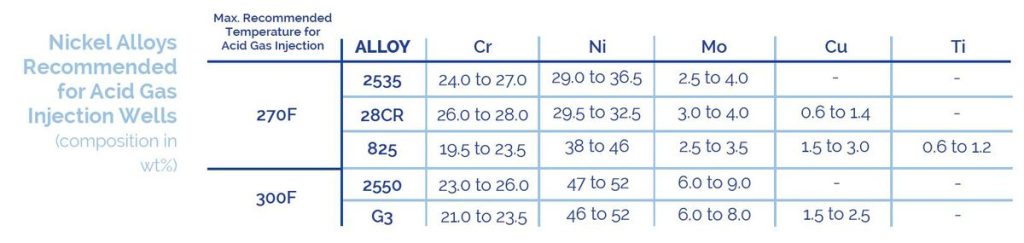
    While stainless steels may resist corrosion caused by CO2, they often fail to handle the high partial pressures of H2S typically found in acid gases. A nickel alloy is highly recommended for such applications to ensure adequate corrosion resistance.

    • For environments with temperatures below 270°F, 2535 nickel alloy has proven to be a reliable solution.
    • For higher temperature conditions, 2550 nickel alloy offers exceptional performance.

    PipeSearch offers a wide range of high-performance alloys tailored for the harsh environments of Acid Gas Injection, which are available for quick release. Our corrosion-resistant materials are carefully selected to meet the unique challenges of AGI corrosion. Contact us today to explore high-quality solutions for your acid gas injection needs.